CNC machining process

Turn your drawings into custom parts.

CNC machining, 3D printing and sheet metal fabrication — from single prototypes to batches.

Professional services

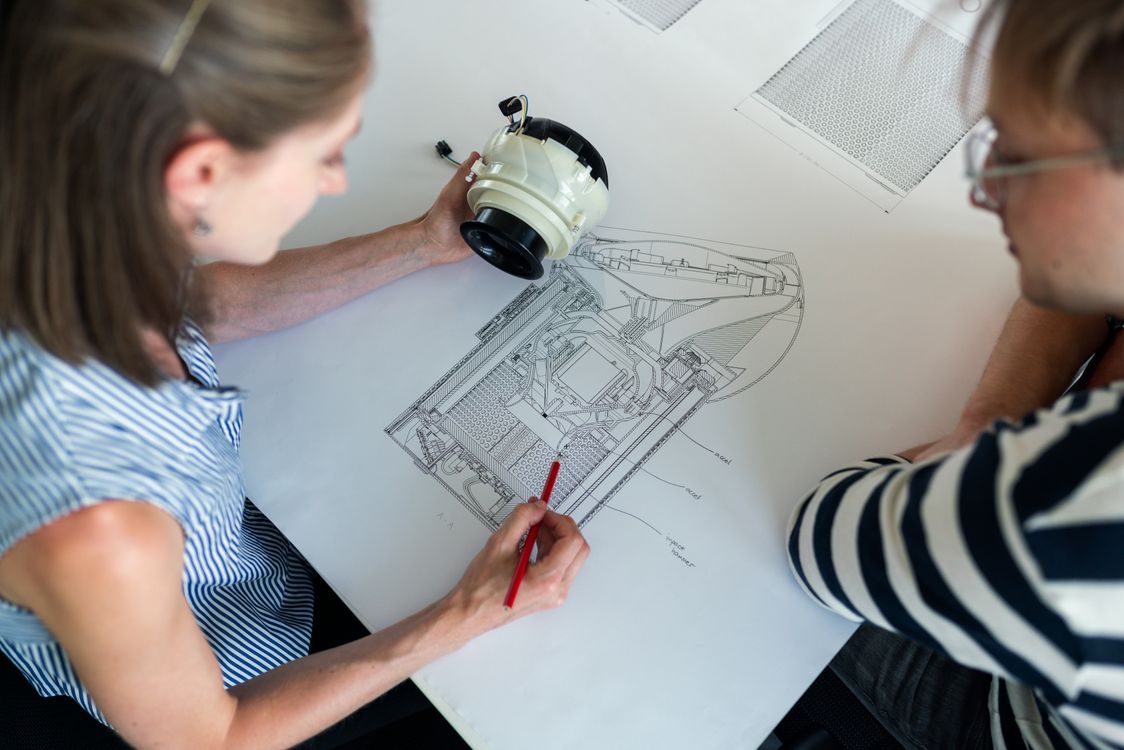
Engineers reviewing a mechanical component and technical drawings

Engineering design & modification

Drawings, models, scanning and reverse engineering. Adapt a part for fit, weight, tolerance or cost; develop packaging or replacement designs for discontinued parts.

Defined deliverables and revision scope
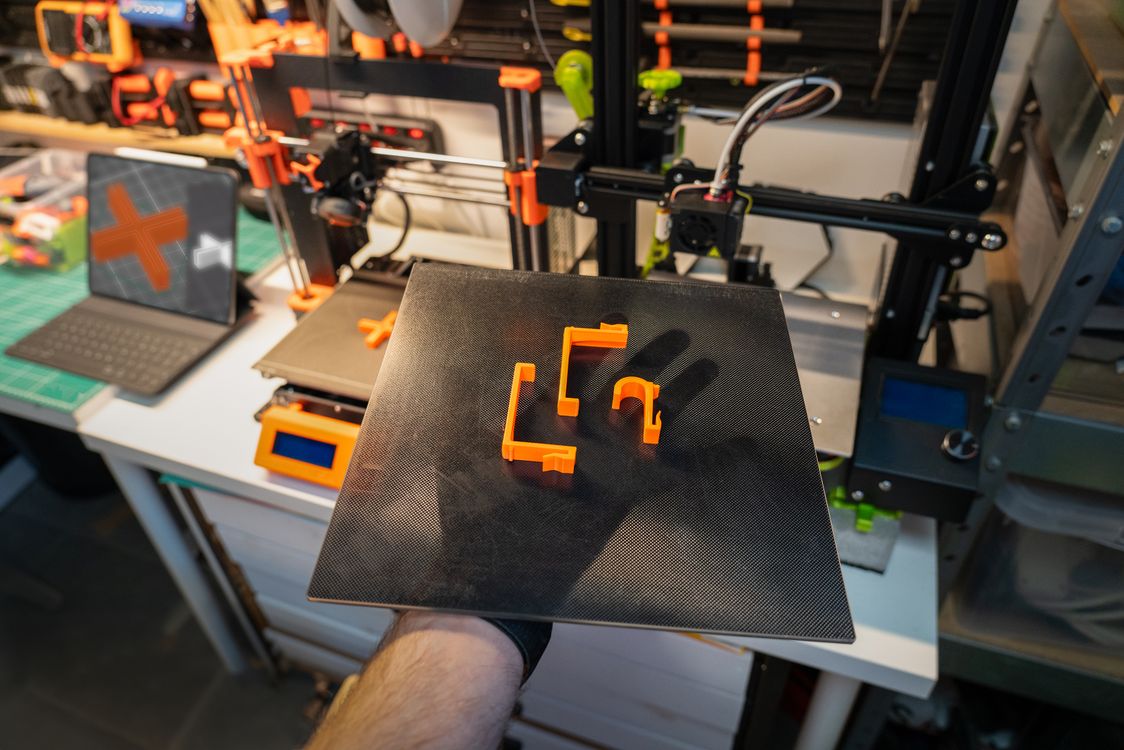
A tray of printed sample parts being removed from a 3D printer

Prototypes & first-batch delivery

Build prototypes and an initial batch from agreed drawings and requirements. Review samples, confirm revisions and prepare the first delivery with the agreed checks, assembly and packaging.

Agree each stage before moving forward
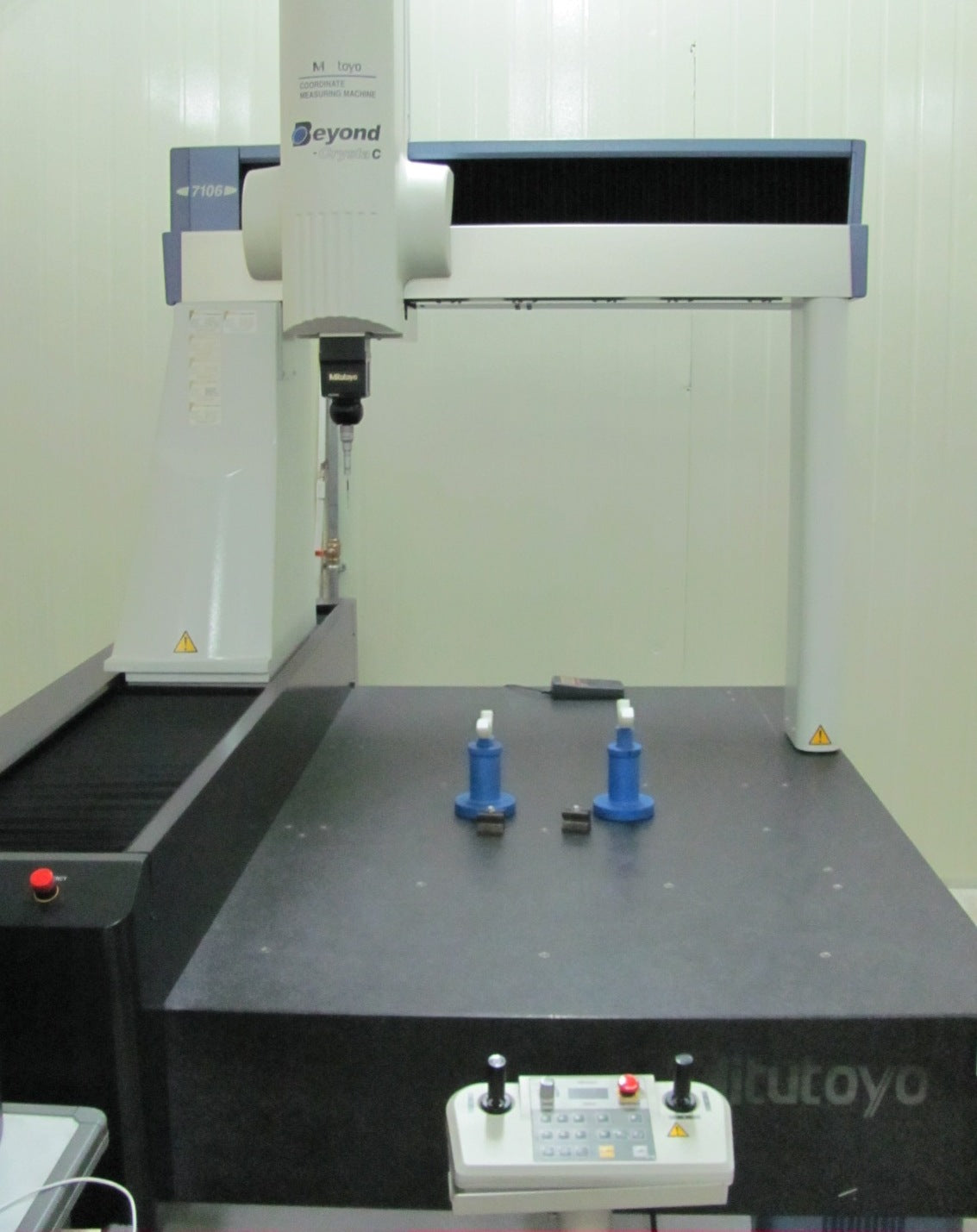
Coordinate measuring machine with fixtured parts on a measurement table

Independent measurement & verification

Traceable dimensional measurements, first-article or deviation reports, and functional verification against an agreed method. Send existing parts or samples for assessment.

No manufacturing purchase required
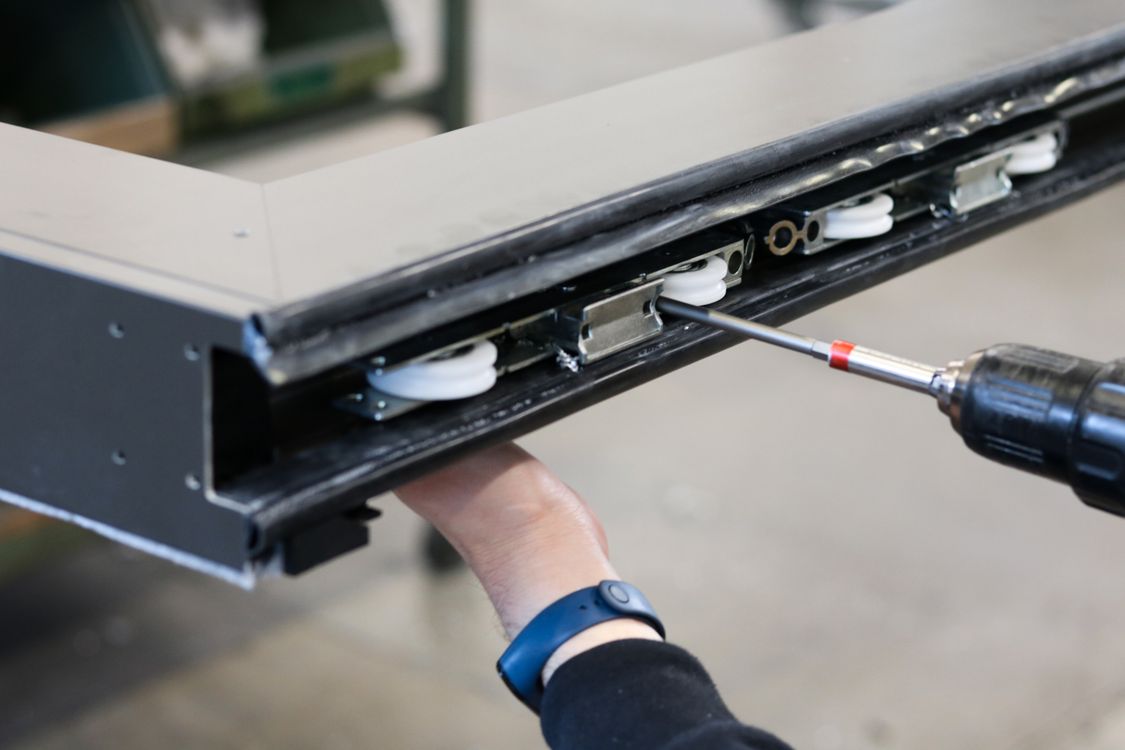
Worker fastening rollers and brackets into a metal rail assembly

Assembly & kitted delivery

Mechanical assembly, BOM-based purchasing, kits, labelling and packaging. Arrange white-label direct dispatch and version-controlled spare parts for repeat orders.

Choose loose parts, kits or assemblies

Engineering design & modification

Develop new engineering files or improve an existing design. Agree the work, deliverables and revision scope before it begins, whether or not you also need manufacturing.

  • Drawings & models

    Create or revise 2D drawings and 3D models, including agreed scanning and reverse engineering. Define the required files, formats and versions.

  • Adaptation & redesign

    Address fit, interfaces, weight, tolerances or cost. Develop product variants or replacement designs for discontinued parts, with manufacture available as an agreed follow-on scope.

  • Materials, processes & packaging

    Review material and process options, support the move from prototype to production, or design a packaging structure around your product.

What to share & agree

Share your files or samples, intended use, constraints and the problem to solve. We agree the outputs, revision scope and fees before starting.

Routine checks and clarification for a manufacturing quote are not separately charged design work. Testing, specialised simulation and functional validation require an agreed scope.

Prototypes & first-batch delivery

Move from an agreed design to physical prototypes and an initial batch. Define what each stage will deliver, review the samples and confirm any changes before the next stage begins.

  • Prototype builds

    Make physical prototypes from the agreed drawings, models or reference samples. Confirm materials, quantities and what the prototype needs to demonstrate.

  • Sample review & revisions

    Review samples against agreed requirements and record any changes. Confirm the file revision and any required approval before moving to the next stage.

  • First-batch delivery

    Prepare the initial quantity to the confirmed requirements. Agree the checks, assembly level, packaging and delivery arrangements for that batch.

What to share & agree

Share your drawings or models, intended use, prototype and first-batch quantities, key requirements and preferred dates. We agree deliverables, review points, acceptance criteria and charges for each stage.

Changes to the design, material, quantity or checks are reviewed for their effect on price and timing. Further production, tooling and any specialised testing are agreed separately when needed.

Independent measurement & verification

Obtain measurement results or verification for specified parts and samples. The measurement scope, reference information, method and report requirements are agreed before work starts.

  • Dimensional measurement

    Measure specified features against drawings or agreed requirements. Confirm the file revision, sample condition, quantity, tolerances and measurement approach.

  • First-article & deviation reports

    Document agreed measurements or comparisons with a drawing or model. Define the measured features, reference alignment and report format. A first-article report does not automatically include an aerospace FAIR or a production hold pending customer approval.

  • Functional verification

    Assess a stated function using an agreed method. Required fixtures, test conditions, acceptance criteria and specialist qualifications are reviewed with you.

What to share & agree

Identify the parts or samples, quantities, drawing revisions, reference standards and report requirements. Existing parts can be submitted without purchasing manufacturing.

Normal inspection already included in a manufacturing order is not charged again as independent verification. Measurement or test reports do not by themselves constitute certification or validation of an entire system.

Assembly & kitted delivery

Reduce the coordination involved in sourcing and delivering multiple parts. Choose loose parts, a complete kit, an agreed assembly or packaged delivery against a confirmed bill of materials (BOM).

  • Assembly & joining

    Mechanical assembly and suitable adhesive bonding, ultrasonic welding, heat staking or insert fitting. Agree the assembly level, interfaces and required checks.

  • BOM-based purchasing & kits

    Coordinate component purchasing, standard-part modifications and kitting against a confirmed BOM. Define supplied parts, quantities, revisions and labels.

  • Packaging & repeat delivery

    Arrange packaging and white-label direct dispatch. Digital spare-part records retain agreed versions for on-demand repeat orders; availability and delivery conditions are confirmed.

What to share & agree

Provide the BOM and revision, drawings, quantities, component supply arrangements and delivery requirements. Specify whether you need loose parts, kits or assembled units.

Assembly is optional. Kitting does not include assembly unless agreed, and assembly does not automatically include complete-system validation. Checks, packaging and handling of missing or incompatible parts are agreed for the project.

Manufacturing capabilities

3D Printing

Flexible tooling-free options for prototypes, fit checks and low-volume parts.

Suitable parts
Prototypes, fit checks and low-volume parts.
Materials
Materials such as ABS, nylon and PC are matched to a suitable printing process during review.
Capabilities
FDM, SLA, SLS and MJF options are evaluated for the part and its intended use.

CNC Machining

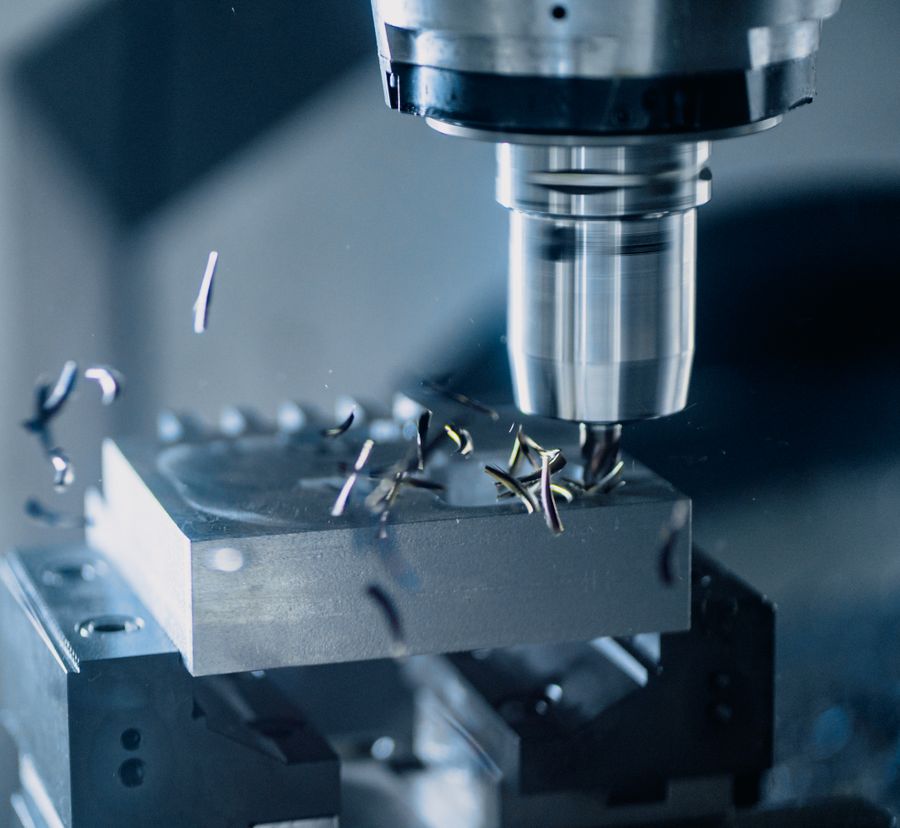
Milling and turning for precision metal and plastic parts.

Suitable parts
Precision parts and functional prototypes.
Materials
Aluminium 6061 / 7075, stainless steel 303 / 304 / 316, carbon steel, brass and copper, and plastics including POM. Material suitability is confirmed during review.
Capabilities
CNC milling and turning. Critical dimensions and tolerances are reviewed with your drawings.

Sheet Metal & Welding

Cutting, bending, forming and welding for brackets and enclosures.

Suitable parts
Brackets and enclosures.
Materials
Steel, stainless steel and aluminium.
Capabilities
Cutting, bending, forming and welding. Assembly and finishing needs can be included in the review.

Metal Casting

Project-specific casting requirements.

Project review
Availability, materials and requirements are evaluated for your part, quantity and specifications.

Plastic Molding

Molding requirements for plastic parts.

Project review
Availability, materials and requirements are evaluated for your part, quantity and specifications.

Rubber & Silicone

Requirements for rubber and silicone parts.

Project review
Availability, materials and requirements are evaluated for your part, quantity and specifications.

PCB & Wire Harnesses

PCB and wire-harness requirements.

Project review
Availability, materials and requirements are evaluated for your part, quantity and specifications.

Surface finishing

Explore finishes for your parts. Availability depends on the material and is confirmed during review.
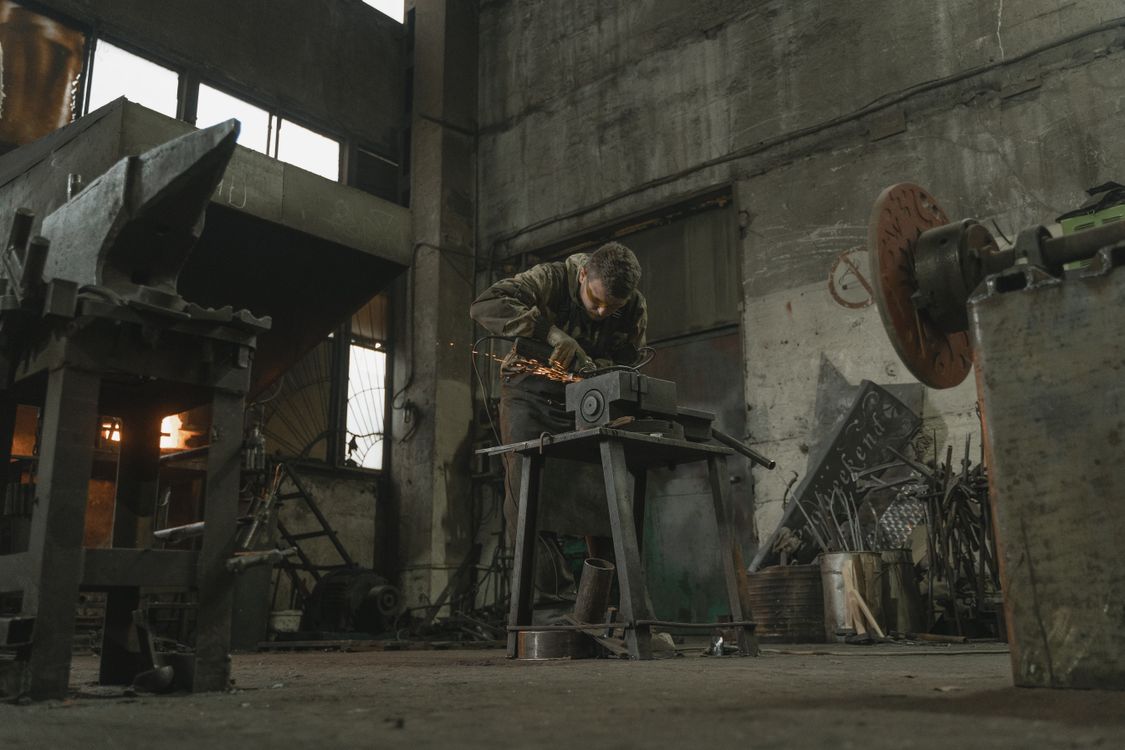
An angle grinder smoothing a metal surface, illustrating the smoothing and texture category

Refine edges, smooth surfaces or create a consistent texture.

  • Grinding & sanding
  • Deburring
  • Polishing
  • Sand / bead blasting
  • Brushing
An angle grinder smoothing a metal surface, illustrating the smoothing and texture category

How your project moves forward

  1. Step 01

    Submit Drawings

    Share your files, quantity and requirements.

  2. Step 02

    Engineering Review

    We review feasibility, materials and process options.

  3. Step 03

    Quote & Lead Time

    Receive a project-specific quote and estimated timing.

  4. Step 04

    Order Confirmation

    Confirm the agreed details before production begins.

  5. Step 05

    Production & Delivery

    Your parts move through production, inspection and shipping.

Frequently asked questions

How is lead time determined?

Lead time depends on the part, process, quantity and any finishing or inspection requirements. Estimated timing is confirmed with your quote.

Can you make a single prototype?

Yes. You can request a single prototype as well as a batch. The suitable process is reviewed for your part and quantity.

Can I request an NDA before sharing files?

Yes. If you need an NDA, contact us before uploading confidential drawings or files.

What if I have not chosen a material or process?

Choose “Not sure — please recommend” in the form and describe how the part will be used. You do not need to decide every technical detail before sending your request.

Can I request an inspection report?

Include your inspection and documentation requirements in the form. The available checks, report scope and any material certificates are confirmed during review.

Get a quote for your parts

Share your drawings and let’s discuss your project.